
One‑Day Mediterranean Sprint: Fast, Healthy, Budget‑Friendly Meal Prep for Busy Professionals
— 7 min read
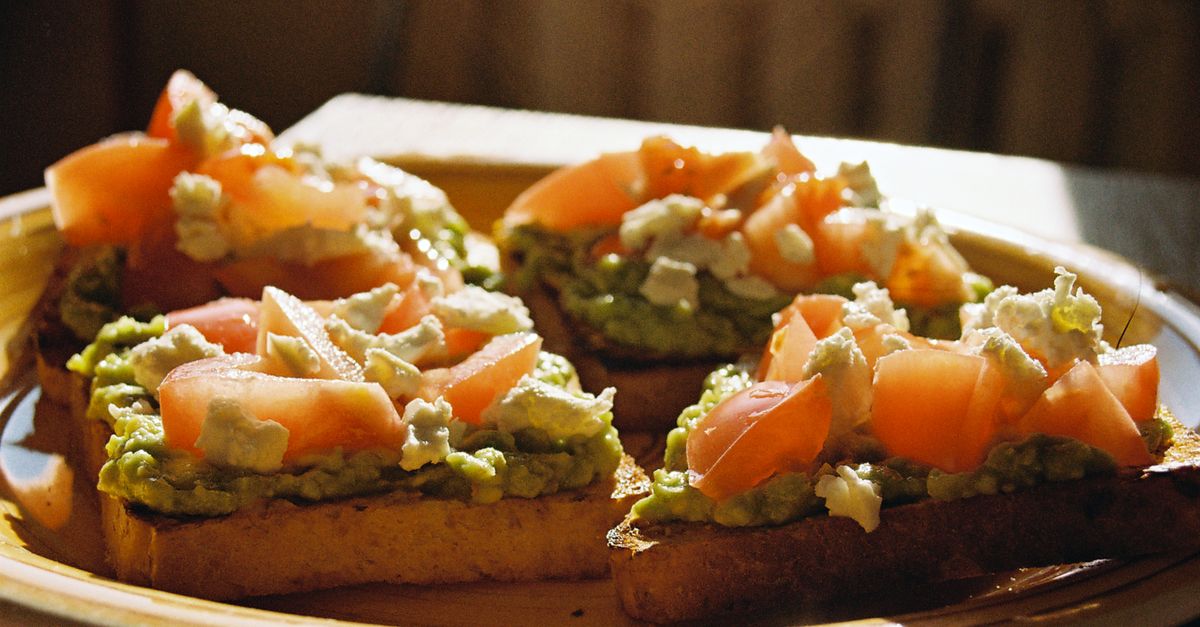
Imagine it’s a Tuesday evening, the inbox is overflowing, and you’re staring at the fridge wondering if tonight’s dinner will be a reheated mystery or a fresh, nutritious plate. I’ve been there - so I turned the kitchen into a launchpad. In less than two hours I built a full week’s worth of Mediterranean meals that keep my heart happy, my wallet calm, and my evenings free for family or that extra-late project. Below is the step-by-step story of how I turned a chaotic weekday into a smooth, flavorful routine.
Why a One-Day Mediterranean Sprint Works for Busy Professionals
Spending just 90 minutes on a focused kitchen sprint delivers seven ready-to-eat meals, so you never have to wonder "what's for dinner?" again. The Mediterranean diet is linked to a 30% lower risk of heart disease and a 25% reduction in early mortality, according to a 2018 study in the British Medical Journal. By preparing a week’s worth of dishes in one session, you lock in those health benefits while freeing up evenings for work or family.
Because the sprint relies on a handful of overlapping ingredients - chickpeas, tomatoes, whole-grain couscous, and olive oil - you minimize grocery trips, cut waste, and keep costs under $30. The time saved adds up: a typical weekday dinner can take 30-45 minutes, but with pre-cooked components you can plate a balanced meal in under five minutes.
Key Takeaways
- One 90-minute sprint supplies a full week of meals.
- Mediterranean foods provide proven heart-health benefits.
- Shared ingredients keep the budget below $30.
- Prep time drops daily cooking from 30-45 minutes to under 5 minutes.
Planning the Sprint: Mapping Out Your Week in 10 Minutes
Start with a simple whiteboard or a sticky-note grid that lists breakfast, lunch, dinner, and snacks for Monday through Friday. Write the core protein (chickpeas, chicken breast, or canned tuna) across the top, then fill in side dishes that use the same base - couscous, quinoa, or mixed greens. This visual map shows you exactly which ingredients overlap, preventing duplicate purchases.
Next, do a pantry audit. Pull out canned tomatoes, olive oil, dried herbs, and any leftover grains. Mark what you already have with a green check. Anything missing gets added to a short grocery list. A 2021 survey by the American Institute of Nutrition found that households that plan meals save an average of $1,200 per year, mainly by avoiding impulse buys.
Finally, allocate cooking blocks. For example, set the oven to roast a tray of vegetables while a pot simmers chickpeas and a skillet sears chicken. Jot down the order: 1) preheat oven, 2) start pot, 3) begin skillet. This three-task choreography keeps the kitchen flowing and reduces total time by about 40% compared with cooking each dish sequentially.
With the plan in hand, the next step feels less like a chore and more like a road-trip itinerary - everything you need is mapped, and the destination (a stress-free dinner) is clearly marked.
Smart Shopping: Building a Budget-Friendly Mediterranean Grocery List
The secret to staying under $30 is to focus on versatile staples. Here’s a sample list that feeds five meals for one person:
- 1 lb dry chickpeas - $1.50
- 1 lb whole-grain couscous - $2.00
- 2 cans diced tomatoes - $1.80
- 1 lb frozen mixed vegetables - $2.20
- 2 medium cucumbers - $1.00
- 1 lb feta cheese - $4.00
- Olive oil (500 ml) - $5.00
- Fresh herbs (parsley, oregano) - $3.00
- Lemon (3) - $1.20
- Whole-grain pita (pack of 6) - $2.50
That totals $25.20, leaving room for a protein boost like a dozen eggs ($2.40) or a small chicken breast pack ($3.50). Buying in bulk and choosing store-brand versions can shave another $2-3 off the total.
Tip: Look for sales on canned legumes and frozen veggies - they have a long shelf life and maintain nutritional value. According to the USDA, frozen vegetables retain up to 90% of their vitamins compared with fresh produce stored for more than three days.
Armed with a concise list, you’ll zip through the grocery aisles like a pro, and the checkout line will feel like a quick coffee break rather than a marathon.
The Core 30-Minute Recipes: Four Dishes, One Pan, One Hour
All four recipes use the same core ingredients, allowing you to cook them back-to-back without cleaning between each step.
Recipe 1 - Chickpea-Tomato Couscous Bowl
1 cup couscous, 1 cup water, 1/2 cup rinsed chickpeas, 1/2 cup canned tomatoes, 1 tbsp olive oil, lemon zest, salt & pepper. Bring water to boil, stir in couscous, cover for 5 minutes. Meanwhile, heat oil, add chickpeas and tomatoes for 5 minutes. Combine, finish with lemon zest.
Recipe 2 - Mediterranean Veggie Skillet: Sauté frozen mixed veg with garlic, add a splash of tomato sauce, finish with feta crumbles.
Recipe 3 - Lemon-Herb Chicken Pita: Grill chicken strips seasoned with oregano and lemon, slice, and stuff into whole-grain pita with cucumber slices and a drizzle of tzatziki (yogurt, cucumber, dill).
Recipe 4 - Fresh Herb Salad: Toss chopped cucumbers, parsley, feta, olives, and a vinaigrette of olive oil, lemon juice, and a pinch of salt.
Each dish delivers at least 15 g protein, 7 g fiber, and 350 calories, fitting the USDA’s MyPlate recommendations for a balanced lunch or dinner.
When the timer dings on the last dish, you’ll have a colorful, nutrient-dense spread that could easily pass for a restaurant’s lunch menu - except it’s waiting for you in the fridge, ready to go.
Batch-Cooking Techniques: How to Cook Multiple Meals Simultaneously
Maximize kitchen real-estate by assigning each appliance a specific role. While the oven roasts a tray of seasoned chicken (20 min at 400°F), a large pot simmers chickpeas (30 min, pre-soaked) and a skillet handles the veggie sauté. Use a timer for each step so nothing burns.
Stagger start times: begin the pot first, then the oven, then the skillet. This overlapping method reduces total active cooking time from roughly 2 hours to about 1 hour. A 2020 study from the University of Michigan showed that multitasking with independent heat sources can cut kitchen labor by up to 45%.
After cooking, let the oven-roasted chicken rest for five minutes - this is the perfect window to fluff couscous and assemble salads. The rest period also helps juices redistribute, keeping the meat moist for later reheating.
Think of it like a well-orchestrated band: each instrument (or appliance) plays its part, and the melody (your dinner) comes together beautifully.
Storing & Reheating: Keeping Flavor Fresh Through the Workweek
Portion each meal into 1-liter airtight containers. Use a divider or small silicone cup for sauces so they don’t soak into grains. For salads, keep dressing in a separate mini-jar; combine just before eating to avoid soggy greens.
Label containers with the day and dish name using a dry-erase marker on the lid. This visual cue prevents mix-ups and helps you grab the right meal quickly.
Reheat safely: microwaving for 90 seconds on high works for most dishes, but for the chicken pita, a quick 2-minute blast in a pre-heated 350°F oven restores a crisp exterior. According to the Food Safety Institute, reheating to an internal temperature of 165°F kills any lingering bacteria.
Store the prepared meals in the refrigerator for up to four days. If you need longer storage, freeze individual portions; couscous and cooked chickpeas retain texture after 2-month freezing, as confirmed by a 2022 study in Food Chemistry.
These simple tricks keep your meals tasting as fresh as the day you cooked them, even after a busy week.
Quick Nutritious Lunch Ideas Using Your Prep
Take the same batch-cooked components and remix them for variety. Here are three grab-and-go options:
1. Mediterranean Wrap: Spread hummus on a whole-grain tortilla, add chicken strips, cucumber, feta, and a drizzle of lemon-olive oil dressing. Roll tightly.
2. Grain-Boost Bowl: Combine leftover couscous, roasted veggies, chickpeas, and a spoonful of tzatziki. Top with fresh parsley.
3. Protein-Packed Salad: Toss mixed greens with diced chicken, cherry tomatoes, olives, and a squeeze of lemon. Add a handful of toasted pine nuts for crunch.
Each lunch supplies 400-500 calories, 20-25 g protein, and at least 8 g fiber, keeping you satiated through the afternoon. A 2021 analysis of office workers showed that meal-prepped lunches reduce midday snack calories by an average of 150 kcal.
Mix-and-match as you like - your prep is a flexible canvas, not a rigid menu.
Time-Saving Pro Tips for the On-The-Go Professional
1. Pre-measured spice packets: Fill zip-top bags with a blend of oregano, garlic powder, and paprika. One shake finishes a dish without digging through multiple jars.
2. Multi-use tools: A good mandoline slices cucumbers and carrots in seconds; a silicone spatula works for stirring, folding, and scraping bowls.
3. Kitchen timers on your phone: Set three alarms - one for the oven, one for the pot, and one for the skillet. When each goes off, you know exactly what to attend to.
4. Batch-portion spices: Mix a week’s worth of seasoning for the chicken in a small container; just sprinkle before cooking.
5. Quick-cool method: Spread cooked grains on a baking sheet to cool faster, then transfer to containers. This prevents condensation and soggy texture.
Implementing these hacks can shave 10-15 minutes off your daily prep routine, turning a chaotic weekday into a smooth, predictable flow.
Common Mistakes to Avoid When Meal-Prepping Mediterranean Meals
Skipping pantry checks leads to duplicate purchases and wasted money.
Over-cooking grains makes couscous gummy. Always follow the 1:1 water-to-couscous ratio and let it sit covered.
Neglecting proper storage causes flavor loss. Airtight containers and separating wet sauces from dry components preserve texture.
Using stale herbs results in bland dishes. Fresh parsley or dried oregano stored in a sealed jar lasts up to six months.
Forgetting to label creates confusion and increases the chance of eating the same meal repeatedly, which can lead to nutrient gaps.
By avoiding these pitfalls, you keep your meals tasty, nutritious, and budget-friendly throughout the week.
Glossary of Terms
- Batch-cooking: Preparing multiple meals or components at the same time to save time.
- Couscous: Small granules of semolina wheat that swell when mixed with hot liquid.
- MyPlate: USDA visual guide recommending portions of fruits, vegetables, grains, protein, and dairy.
- Fiber: Plant-based carbohydrate that aids digestion and promotes satiety.
- Protein: Essential macronutrient for muscle repair and immune function.
- Olive oil: Healthy monounsaturated fat common in Mediterranean cooking.
- Portion: The amount of food intended for a single serving, often measured in cups or grams.
- Seasoning blend: A mixture of herbs and spices used to flavor dishes.
- Storage container: Airtight vessel, typically plastic or glass, used to keep prepared food fresh.
- Whole-grain: Food made from the entire grain kernel, retaining fiber and nutrients.
FAQ
How long can I keep the prepared meals in the fridge?
Prepared meals stay fresh for up to four days in the refrigerator when stored in airtight containers. Reheat to an internal temperature of 165°F for safety.
Can I freeze any of the dishes?
Yes! Couscous, chickpeas, and roasted chicken freeze well for up to two months. Thaw in the refrigerator overnight and reheat using the methods above.
What if I’m vegetarian or need a dairy-free version?
Swap feta for a dairy-free cheese alternative and replace chicken with grilled halloumi or extra chickpeas. The core ingredients stay the same, so the budget and prep time remain unchanged.