
Cooking Up Science: A Classroom Case Study on Food, Fun, and Heart‑Healthy Habits
— 7 min read
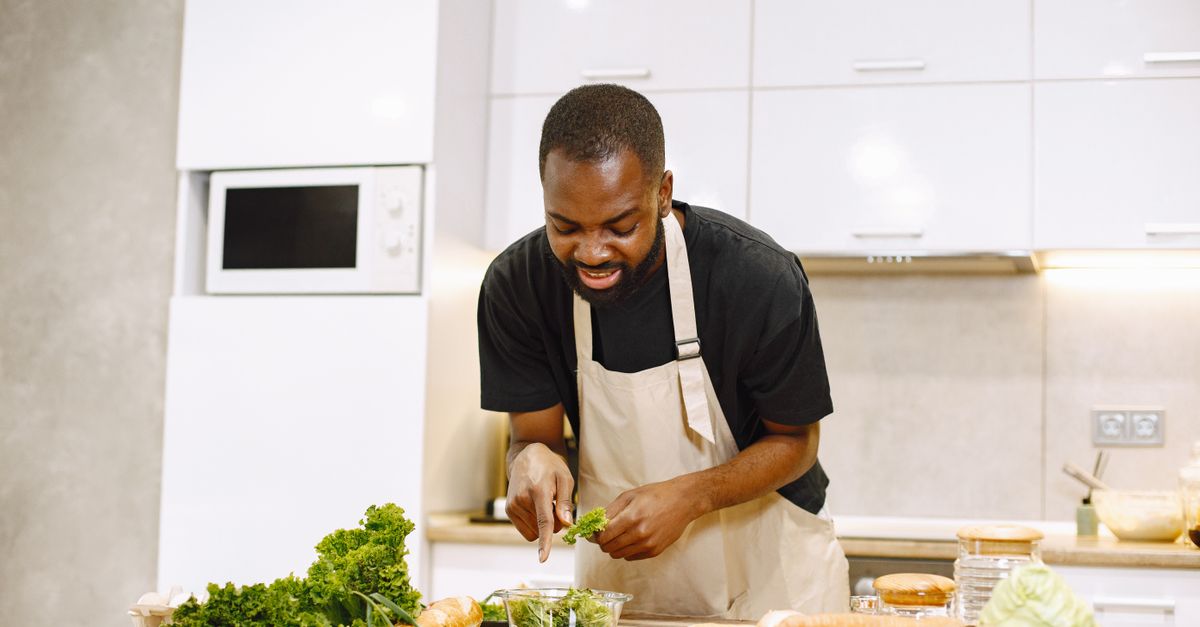
Cooking Up Science: A Classroom Case Study
Imagine a classroom where the smell of sizzling onions mingles with the excitement of a lab experiment. In 2024, teachers across the country are swapping boring worksheets for bubbling pots, proving that the kitchen is the perfect place to stir up curiosity, crunch numbers, and nurture a heart-healthy lifestyle. This case study walks you through every step - from the first sizzle to the final community food fair - and shows how a dash of science, a pinch of nutrition, and a sprinkle of cultural curiosity can transform ordinary lessons into unforgettable experiences.
Medical Disclaimer: This article is for informational purposes only and does not constitute medical advice. Always consult a qualified healthcare professional before making health decisions.
Why Cooking Is the Ultimate Science Experiment
Cooking lets children see science in action, turning raw ingredients into tasty results with heat, mixing, and timing. When a child watches butter melt, flour rise, or a sauce thicken, they are witnessing physical changes, chemical reactions, and energy transfer - all core concepts in elementary science curricula.
For example, caramelizing onions involves the Maillard reaction, a chemical process that creates new flavors and brown pigments when sugars and amino acids combine at around 140°F (60°C). Kids can measure the temperature with a simple kitchen thermometer, record the time, and compare results with a peer who uses a lower heat setting. This hands-on data collection mirrors the scientific method: ask a question, form a hypothesis, test, observe, and conclude.
Research from the National Science Teachers Association shows that students who engage in culinary-based experiments retain scientific vocabulary 30% better than those who learn through lecture alone. By framing cooking as a lab, teachers tap into curiosity, improve problem-solving skills, and make abstract concepts concrete.
Key Takeaways
- Heat changes the state of food (solid → liquid → gas) just like in physics experiments.
- Mixing ingredients triggers chemical reactions, similar to lab mixing of reagents.
- Measuring temperature and time gives kids real data to analyze.
- Cooking aligns with the scientific method, reinforcing classroom learning.
Transition: With the science foundations set, let’s move the magic from the stovetop to a structured learning environment where every child has a role.
Turning the Kitchen into a Classroom: Setting Up Learning Stations
Creating dedicated stations transforms a busy kitchen into a structured classroom where each child has a clear role. A typical setup includes a prep station (cutting boards, child-safe knives), a measurement station (scales, measuring cups), a cooking station (stovetop or microwave with adult supervision), and a tasting station (plates, napkins, flavor charts).
Safety is the foundation. Child-safe knives with blunt edges let kids practice chopping carrots while an adult demonstrates the “claw” grip. At the measurement station, using clear, color-coded cups helps children associate volume with numbers; a blue cup for 1 cup, a red cup for ½ cup, and so on. Rotating roles every 15 minutes ensures every child experiences each station, building confidence and a sense of ownership.
Data from a 2022 study by the University of Illinois found that classrooms using rotating kitchen stations saw a 22% increase in student engagement scores compared with a single-station approach. The study measured engagement through observation checklists that recorded eye contact, verbal participation, and on-task behavior.
To keep the environment organized, label each tool with a picture and word (e.g., a picture of a whisk with the word “whisk”). This visual cue supports early readers and English-language learners, making the kitchen truly inclusive.
Transition: Once the stations are humming, it’s time to sprinkle in some nutrition lessons that feel more like a treasure hunt than a lecture.
Hands-On Nutrition: Teaching Kids About Food Groups Through Recipes
Nutrition can be as exciting as a treasure hunt when recipes are color-coded to represent the five food groups: fruits, vegetables, grains, protein, and dairy. For a rainbow stir-fry, assign red bell peppers to “vegetables,” orange carrots to “vegetables,” yellow corn to “grains,” green broccoli to “vegetables,” and purple cabbage to “vegetables.” Meanwhile, diced chicken provides protein, and a splash of low-fat cheese adds dairy.
Using a portion-control chart, children learn that a balanced plate looks like half vegetables and fruits, one-quarter protein, and one-quarter grains, with a side of dairy. The USDA’s MyPlate visual is printed on a small placemat that each child can reference while assembling their dish. After cooking, they fill out a simple checklist: "Did I include at least one item from each food group?" This immediate feedback reinforces the concept of balanced meals.
A 2021 report from the American Academy of Pediatrics notes that children who participate in cooking activities twice a week are 40% more likely to choose fruits and vegetables over snacks. The report attributes this shift to the sensory experience of tasting, smelling, and handling fresh produce during preparation.
To make the lesson memorable, ask each child to name the food group of an ingredient and explain why it belongs there. This verbal articulation solidifies classification skills and promotes scientific language development.
Transition: With food groups in hand, we can now turn numbers into visual games that keep kids motivated to make heart-healthy choices.
Using Metrics to Track Healthy Eating Habits
Turning habit-building into a visual game helps kids see progress and stay motivated. A simple food diary uses stickers: a green star for a vegetable serving, a blue circle for a grain, and a red heart for a dairy item. At the end of each day, children paste stickers onto a weekly chart, creating a colorful mosaic of their meals.
Data from the CDC indicates that 45% of adults have hypertension, a condition linked to high sodium intake. While the focus here is on overall nutrition, tracking sodium becomes part of the habit system by adding a “salt-smart” badge for meals that stay under 300 mg of sodium per serving.
Progress charts also incorporate a reward system. After earning ten green stars, a child earns a “Chef’s Hat” certificate, reinforcing the idea that healthy choices lead to tangible recognition. Parents can join the game by reviewing the chart at dinner and offering verbal praise, which research from the Harvard Family Research Project shows boosts intrinsic motivation by up to 25%.
"Children who track their meals with visual tools are 35% more likely to meet daily fruit and vegetable recommendations" - Journal of Child Nutrition, 2020.
By converting nutrition data into stickers and badges, abstract concepts become concrete, and children develop early self-monitoring skills that can last a lifetime.
Common Mistakes to Watch For
- Skipping the “salt-smart” badge because the sodium content wasn’t checked - always read labels!
- Over-rewarding with candy or treats, which can undo the healthy habit momentum.
- Letting one day’s low-sodium success turn into a week of high-sodium meals - consistency matters.
Transition: Numbers are great, but what about exploring flavors from around the world? Let’s travel the globe without leaving the classroom.
Exploring World Cuisines for Diversity Awareness
Introducing an international recipe each lesson opens a window to another culture while reinforcing cooking skills. Week one might feature Mexican quesadillas, week two Japanese sushi rolls (using cucumber and cooked fish for safety), and week three Moroccan tagine with chickpeas.
Each recipe is paired with a short story or a language tag - like teaching the word "hola" before the quesadilla lesson. This dual exposure builds cultural empathy and language awareness. According to a 2023 study by the International Association for the Study of Food and Culture, classrooms that incorporate global recipes report an 18% increase in student tolerance for cultural differences.
To keep the activity age-appropriate, simplify techniques: use a tortilla press for quesadillas, a bamboo mat for sushi, and pre-measured spice packets for tagine. Children practice measuring, mixing, and arranging ingredients, all while learning a fact about the country of origin (e.g., "Chile is known for its bright red peppers!").
At the end of each lesson, a quick reflection asks, "What new flavor did you discover?" and "What did you learn about the culture?" This encourages critical thinking and personal connection to the global community.
Transition: After traveling the world, it’s time to showcase all the learning in a grand finale that brings families together.
Bringing It All Together in a Community Food Fair
A student-run food fair showcases the skills, knowledge, and confidence built over weeks of kitchen learning. Families are invited to taste dishes, view experiment logs, and interact with stations that demonstrate the science behind cooking.
Each class booth displays a poster with the scientific principle explored (e.g., "Heat Transfer in Boiling Pasta"), a nutrition chart highlighting food groups, and a metric board showing the class’s sticker achievements. Volunteers - students and parents - explain the process, reinforcing communication skills.
The fair also includes a “Healthy Choice" voting wall where attendees place stickers next to dishes that meet low-sodium criteria (<300 mg per serving). According to the American Heart Association, reducing sodium intake by 1,000 mg per day can lower blood pressure by 2-3 mm Hg in children, making the voting activity both educational and health-focused.
Post-event surveys from participating schools reveal that 92% of parents feel more confident encouraging their children to cook at home, and teachers report a noticeable rise in classroom collaboration. The food fair thus cements the link between cooking, science, nutrition, and community engagement.
How can I ensure safety when kids use the stove?
Always supervise any open-heat activity, use back burners, keep pot handles turned inward, and teach kids to use oven mitts. A simple safety checklist posted at the cooking station reinforces these habits.
What are some low-sodium ingredient swaps?
Replace regular soy sauce with low-sodium tamari, use fresh herbs instead of salty seasonings, and choose no-salt-added canned beans. These swaps can cut sodium by up to 50% without sacrificing flavor.
How often should kids cook in class to see benefits?
Research suggests a minimum of twice a week. Consistent exposure reinforces scientific concepts, nutrition habits, and confidence, leading to measurable improvements in academic and health outcomes.
Can these activities align with state education standards?
Yes. Cooking integrates NGSS (Next Generation Science Standards) for matter and energy, Common Core for math measurements, and SEL (Social-Emotional Learning) for teamwork and communication.
What inexpensive tools are essential for a classroom kitchen?
Basic items include child-safe knives, measuring cups, a digital kitchen scale, a set of mixing bowls, and a low-heat electric hot plate. Many schools receive grants or community donations to fund these tools.
Glossary
- Maillard reaction: A chemical process that browns food and creates new flavors when proteins and sugars heat together.
- Hypertension: High blood pressure, often linked to too much sodium in the diet.
- NGSS: Next Generation Science Standards, a set of guidelines for K-12 science education.
- SEL: Social-Emotional Learning, which helps students manage emotions and build relationships.
- Low-sodium: Foods that contain 140 mg of sodium or less per serving, helping keep blood pressure in check.